Articles
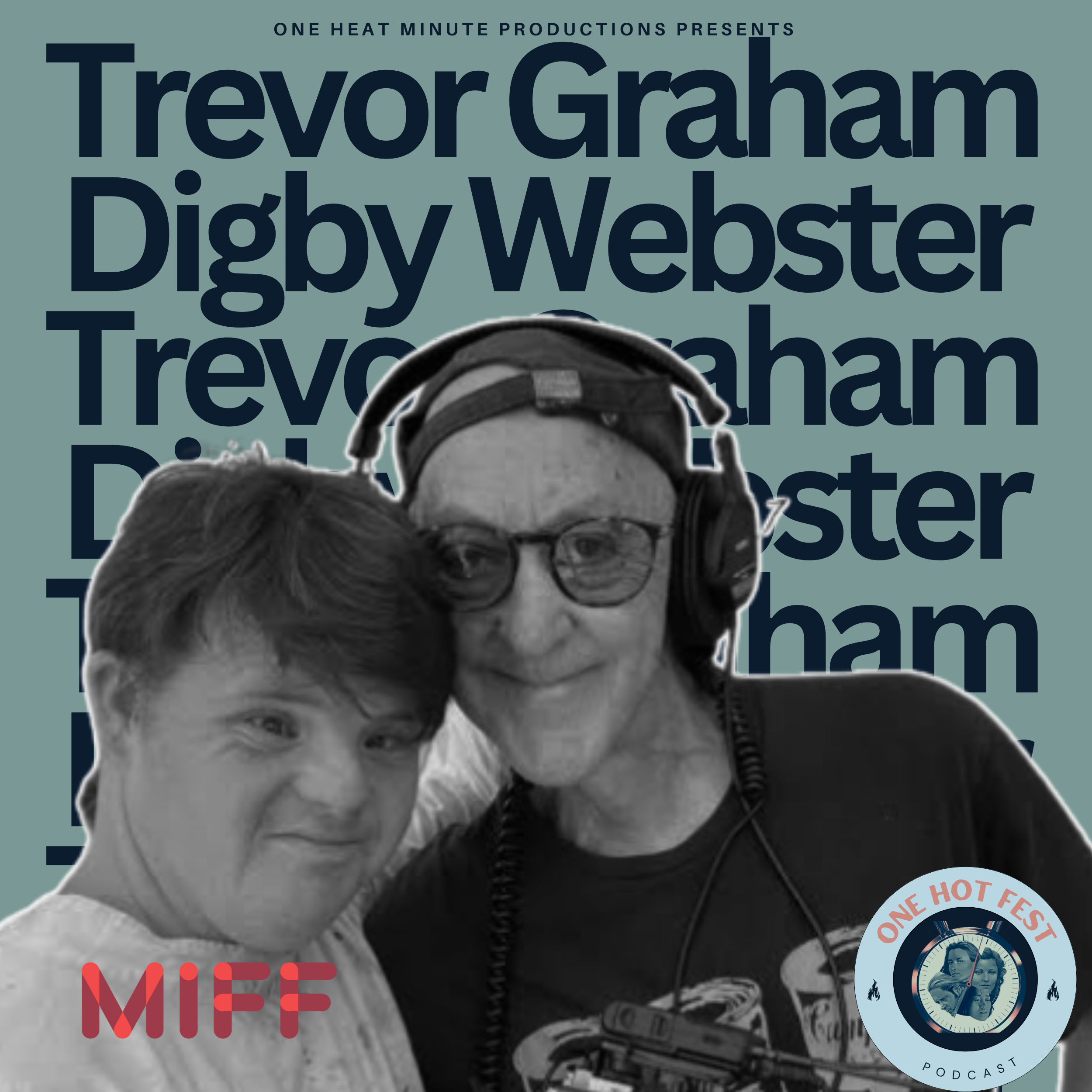
To celebrate the World Premiere of DIGBY & CAMILLE at the Melbourne International Film Festival, I talk with co-directors Trevor Graham and Digby Webster about turning eight years of footage into a living photo album of a love story, and the trust it took from Digby, from Camille, and from both their families, to let something this private and this joyful play out on screen.
Larry “Doc” Sportello (Joaquin Phoenix), a private investigator with a permanent glaze of marijuana and melancholy, opens the door to a ghost—Shasta Fay Hepworth (Katherine Waterston), barefoot, brown-skinned, backlit like a memory. She’s his former lover, and she arrives bearing a story soaked in paranoia: her current boyfriend, real estate tycoon Mickey Wolfmann (Eric Roberts), may be the target of a plot involving his wife, her sidepiece guru, and the baroque inner workings of Los Angeles capital.
Ryan Gosling’s Lost River is less a film than a haunted tableau — the half-submerged memory of a forgotten VHS found in a house that should have been condemned: frayed, half-erased, pulsing with beauty and dread.
The Insider is evidence that Mann’s cinema is marked by a formal and cultural ‘tense’ linked to his historical heritage. In the watershed article ‘La politique des auteurs’, Bazin writes: “Jacques Rivette has said that an auteur speaks in the first person. It’s a good definition; let’s adopt it.”[iii] Mann’s film language speaks in the ‘past tense’ about Mann’s biography.
To celebrate the World Premiere of DIGBY & CAMILLE at the Melbourne International Film Festival, I talk with co-directors Trevor Graham and Digby Webster about turning eight years of footage into a living photo album of a love story, and the trust it took from Digby, from Camille, and from both their families, to let something this private and this joyful play out on screen.
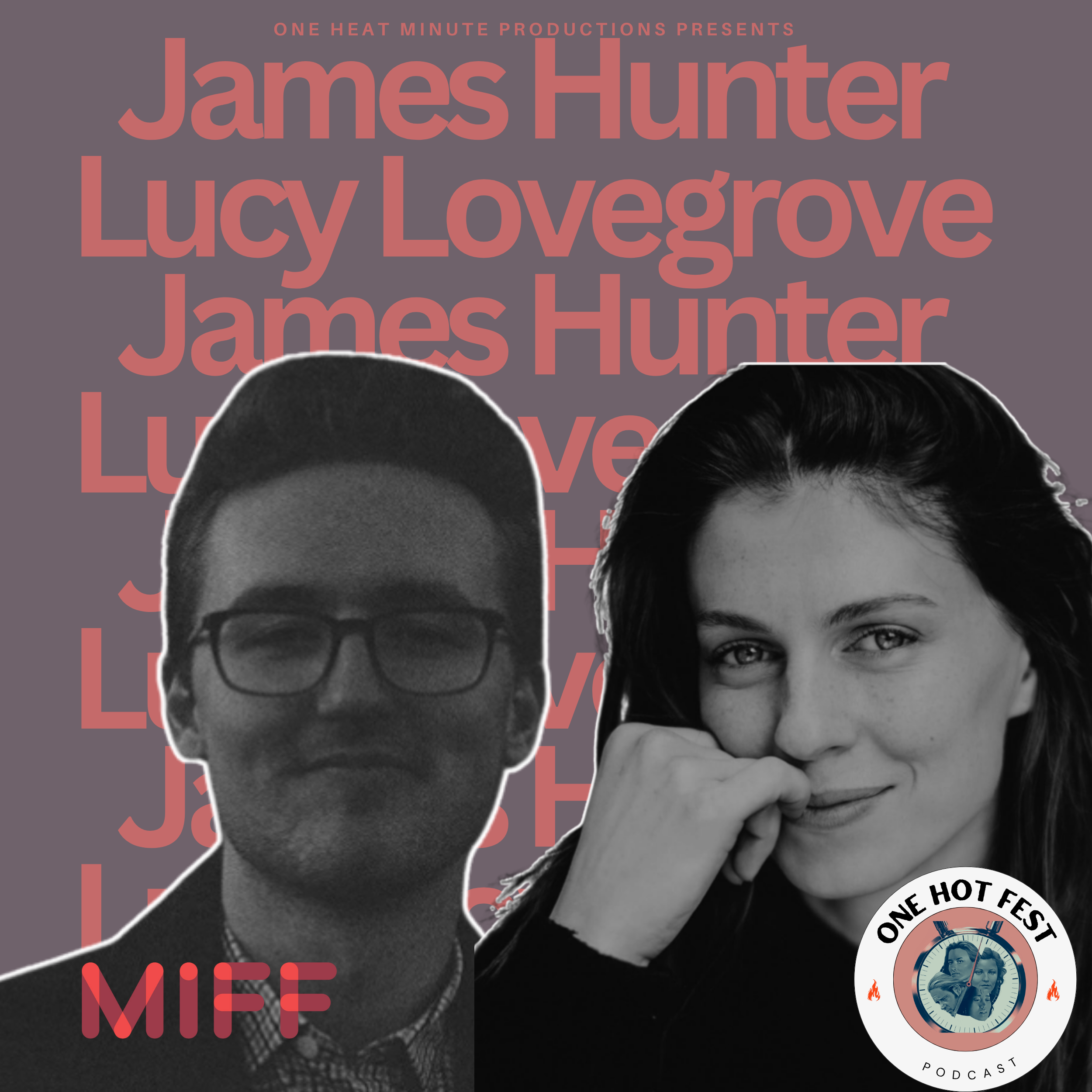
To celebrate the Australian Premiere of The Latcher at the Melbourne International Film Festival, I talked with director James Hunter and star Lucy Lovergrove about fusing elemental and crushing emotional realities, sharing a rarely seen side of Australia, and shooting a movie on weekends that felt like a school camp.
To celebrate the release of WOLFRAM, I talk with director Warwick Thornton about his gentle sequel to SWEET COUNTRY, surfacing untold Australian history, strange rhymes with BLUEY, and facing the challenge of making something with the power and impact of poison (Sweet Country) and being compelled to create an antidote (Wolfram).
"One thing that's really interesting to me...is that one of our great cultural critics is Stephen King... the basically the first big review of Red Dragon in the I think it was in the Washington Post in 1981, and it is not only a rave, but it is completely 100 spot on. Red Dragon is like stepping into a limousine where everything works... perfectly."
In this very special bonus episode of MINHUNTER, I speak to the extremely talented journalist, author and podcaster Brian Raftery about his great new novel, HANNIBAL LECTER - A LIFE.
Cinema is life to The Secret Agent’s writer and director, Brazilian critic-turned-filmmaker Kleber Mendonça Filho.
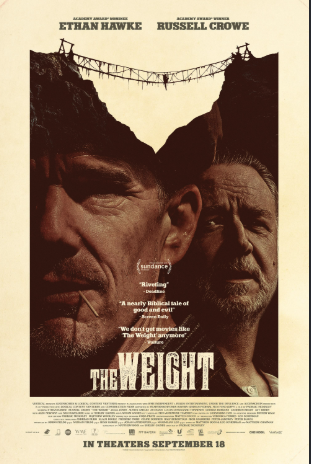
All the preparation in the world will not prepare you for the surreal moment when a previously unnoticed slide door opens, and Ethan Hawke steps through.
We're here to cross the streams and discuss the amazing work of Kelly Reichardt, featured on MUBI, with the terrific, wise, and funny Brandon Streussnig.
What’s bracing is the film’s refusal to settle into a single, comfortingly moral angle. Instead, it asks: who benefits from the stories we tell about these boys, and what do those narratives let everyone else off the hook for?
Rebuilding is not a film of grand catharsis. Its beauty lies in accumulation: the glances exchanged, the chores shared, the small kindnesses that form a scaffolding around trauma.
To celebrate the Australian Premiere of BROKEN VOICES at the Brisbane International Film Festival, I talk with director Odrej Provaznik about the incredible lengths he took to make this film safe for his astonishing troupe of non-actors, despite the confronting subject matter.
To celebrate the Australian Premiere of BRIDES at the Brisbane International Film Festival, I talk with director Nadia Fall and writer Suhayla El-Bushra about playing with time, teenage gravity, and so much more.
To celebrate the 25th anniversary screening of BRING IT ON at the Brisbane International Film Festival, I talk with director Peyton Reed about working with great cinematographers, the rhythm of comedy, being a Peter Weir completist, and so much more.
Mendonça Filho builds his thriller out of dissonances: beach parties trembling under portraits of despots, bursts of music that curdle into menace, streets that look festive until you notice who isn’t smiling.
To celebrate the Australian Premiere of FOLLIES at the Brisbane International Film Festival, I talk with co-writer/director/star Eric K. Boulianne about influence as divergent as ‘mumblecore’ and Manchester By The Sea, being open to not understanding non-monogamy, confessional Q&As, and so much more.
Broken Voices could have been punishing or moralistic; instead, it is quietly devastating, resisting exploitation by emphasising systems rather than scandals, the collective habits that allow atrocity to persist unseen.
To celebrate the Australian Premiere of SILENT FRIEND at the Brisbane International Film Festival, I talk with 'Golden Bear'- winning director Ildikó Enyedi about reckoning with COVID, working with Tony Leung, editing according to the senses and the sensual, and so much more.
If We Bury The Dead’s premise sounds grim, its execution pulses with life: needle drops that shouldn’t work but do, pockets of absurd beauty amid ruin, and a finale that detonates with something like grace.
In this very special, penultimate episode for 2015, I catch up with writer/director/author S. Craig Zahler to reflect on the tenth anniversary of his terrifying, gruesome and elegant directorial debut, BONE TOMAHAWK.
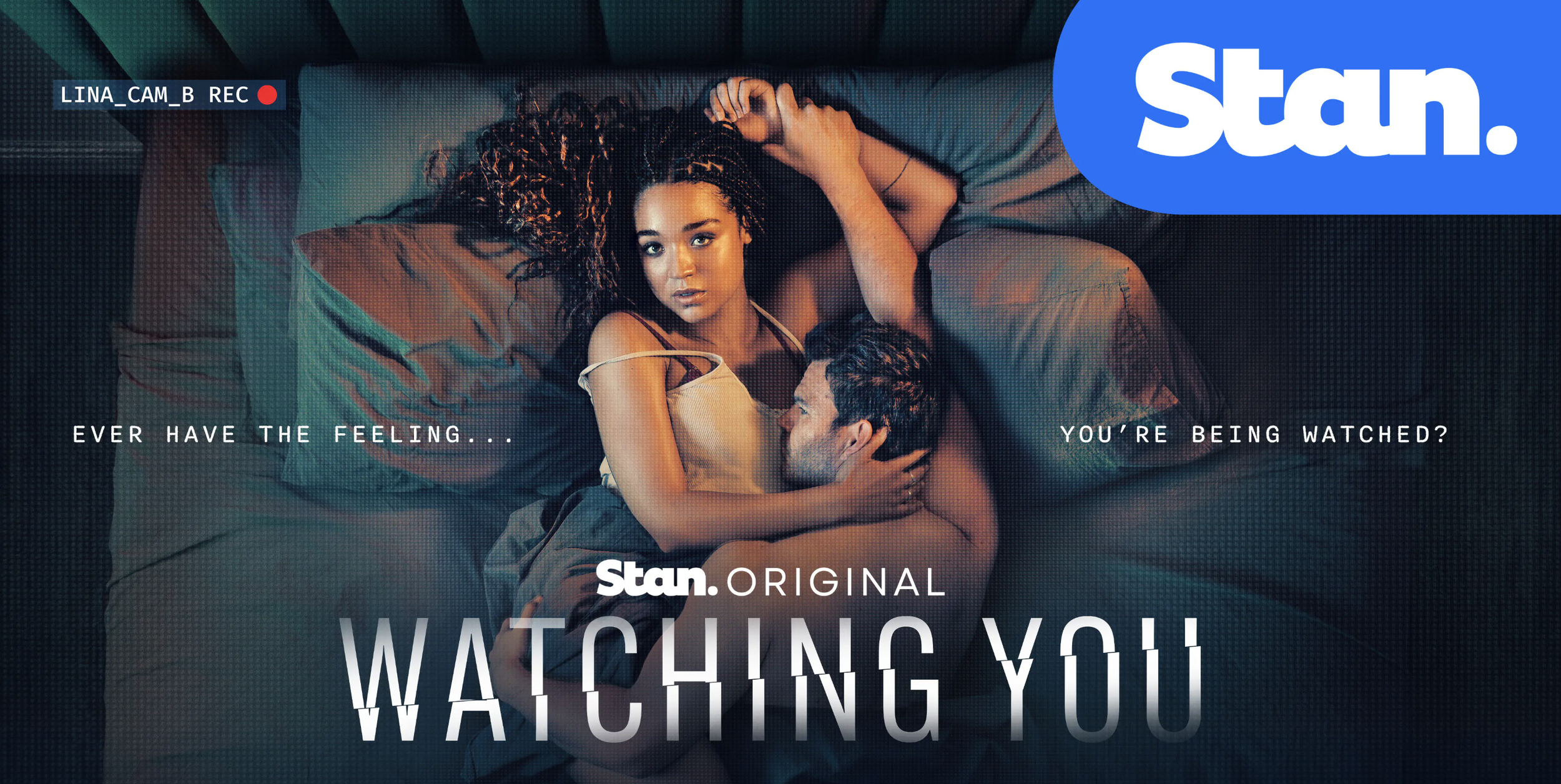
To celebrate the conclusion of the sensual and disturbing Stan Original series WATCHING YOU, I talk with series creators Ryan van Dijk and Alexei Mizin about the art of adaptation, bridging 90s erotic and contemporary tech thrillers, their great collaborations in front of and behind the camera, and so much more.
“Edge of Life insists that dying is not an aberration but a rhythm within life’s score. Watching it, one feels both devastated and soothed—as if the film itself were guiding us through the ceremony, urging us to look directly at what we most avoid. The great lie, it suggests, is that we ever “get over” death. The truth, tender and terrifying, is that we live beside it.”
“For those of us outside the Springsteen nation—the Australians, the agnostics—the movie becomes an echo chamber of someone else’s nostalgia. You can feel the ache to honour a national treasure, but you can’t feel the pulse.”
“If you ever wished a slasher movie was set in an early episode of Home and Away, boy, do I have a movie for you.”
“Panahi’s mastery lies in the misdirection. His compositions look spontaneous, but every cut lands like a blade.”
“What Lanthimos understands—and few contemporary directors do—is that absurdity isn’t the opposite of realism, it’s its echo.”
“There’s craft here, not thrift: a sensibility that recalls street-level realism without fetishising hardship, a belief that audiences can meet a movie halfway.”
“Scenes slide between recollection and immediacy with the confidence of a director who trusts emotional continuity... a rapturous montage with the needle drop of The Japanese House’s “Still”— results in one of the most exalting moments in recent memory.”
In this episode, we talk to the CEO & Creative Director of the Adelaide Film Festival, Mat Kesting, about the identity and personality of the fest and its growing connection with the community.
To celebrate the release of VIOLENT ENDS, I talk with director John-Michael Powell about the punk rock, revenge genre music of his debut feature.
‘An American Werewolf in Paris’ has their name on it, but the finished product bears virtually no resemblance to the film writers Tom Stern and Tim Burns set out to make. Anotherfilmnerd talks to them about how a script everyone loved became a film everyone hated.
Writer Andrew Miller shares his vision for the eagerly-awaited Tremors TV series
A couple of years before the adaptation of 'Hellboy' Peter Briggs co-wrote with director Guillermo del Toro hit the screens, Briggs was ready to ignore the conventional wisdom that 'There Can Be Only One' and take a stab at reviving a struggling franchise.
When Queen and Country called, writer John Rogers was wary until an executive ordered him to get his “nerd ass in and write the movie”. Rogers reflects on his adaptation of Greg Rucka’s classic comic two-plus decades later and his unaired (but leaked) pilot for Warren Ellis’ comic ‘Global Frequency’.
Genre vet Mark Verheiden reflects on his 'dark' days, prepping a shot-but-never-finished pilot remaking the classic gothic soap 'Dark Shadows', and a TV series designed to bridge the gaps between movies as part of a sprawling, epic adaptation of Stephen King's 'The Dark Tower'.
Australian actor-turned-producer Steve Kearney’s experience shooting his American feature film debut wasn’t what you could call ideal. Within three weeks of filming ‘The Nutt House’, the director was fired. By the time it was ready to be edited, all four of the film’s writers (Sam & Ivan Raimi, Bruce Campbell and Scott Spiegel) had disowned it. And the film’s ‘premiere’ at Cannes, well; it wasn’t how you’d hope a film premiere would go. Kearney spoke to Another Film Nerd about ‘The Nutt House’, ‘Pistol Pete’ - the pilot he filmed with legendary ‘Simpsons’ writer John Swartzwelder - and the path that brought him back to Australia.
It may not have set the box office alight, but the cult New Zealand sex-and-violence-laden puppet film 'Meet The Feebles' put filmmakers Peter Jackson and Danny Mulheron on the map. Before long, New Line Cinema enlisted the duo to take on one of their most beloved and feared franchises. Mulheron reflects on his brief time in Los Angeles, his work with Peter Jackson and an unsuccessful pitch into the world of television with the most unlikely of writing partners – a veteran writer from Jim Henson's popular educational program, 'Sesame Street'.
When push came to shove, a set of competing deadlines left writer/director Bill Lawrence confronted with a choice - stick with his hit TV series 'Scrubs' or leave the show behind to make his feature directing debut with a big-screen revival of the 'Fletch' series. And, to the surprise of many, he decided the world of features could wait, leaving Harvey Weinstein in a mad scramble to get something made before he lost the rights to the iconic franchise.
When ‘Tremors’ co-creators Brent Maddock and S.S. Wilson were approached to develop a fifth entry in the popular franchise, they envisioned sending gun nut Burt Gummer to the land down under the throw another graboid on the barbie. But a combination of unfortunate events and mysterious studio forces saw them unceremoniously dumped from the franchise.
Academy-Award nominated screenwriter Eric Heisserer’s first feature screenplay credit is one most writers would kill for - reviving a horror franchise that has enthralled and terrified audiences for generations. But a director with differing views and shifting studio attitudes gave the then-baby writer a baptism of fire into the world of studio filmmaking.
One-time' Walking Dead' and 'Damien' showrunner Glen Mazzara didn't just try to adapt Stephen King's sprawling epic 'The Dark Tower'; he lived and breathed the eight-novel series for more than three years. And while his pilot never saw the light of day, he remains proud of his plans for the Master of Horror's magnum opus.
One was too highbrow (despite the presence of a horny ox), the other was too sad - but the unaired pilots for ‘Brave New World’ (a workplace comedy set in a historical re-enactment village) and ‘Guess Who Died’ (a tale of lost and new love among retirees) hold a special place in writer Peter Tolan’s heart.
For the followup to his feature writing/directing debut, Alex Winter had a hot script, a talented cast and the money to make it happen. But at the eleventh hour, something happened that made him walk away. Winter delves into his operatic, ambitious and thoroughly compelling noir and an unmade political satire set to star Alan Rickman.
Much like the titular character in his comedic noir ‘Chad Schmidt’, it was a case of being in the right place at the wrong time for writer/director Steven Conrad. He had the script, he had Brad Pitt on board to star, but fate wasn’t willing to let the tale of a struggling actor with an uncanny resemblance to one of Hollywood’s leading stars reach the screen.
When John August got the chance to pitch to Warner Brothers on a standalone ‘Catwoman’ film, he developed a story that would expand on the mythos created in the classic Tim Burton film ‘Batman Returns’. Unfortunately, Warner Brothers - still smarting from the backlash to ‘Batman & Robin’ - had other ideas.
Orson Welles had The Other Side of The Wind. Terry Gilliam had The Man Who Killed Don Quixote, and independent filmmaker Michael Worth has Bring Me The Head of Lance Henriksen. After a shoot that lasted for around three years and a protracted round of distribution hassles, the ‘Boyhood’ of ‘That Guy’ pictures looks like it’ll finally be seeing the light of day.
One novel, five seasons. Writer Jordan Harper lays out his ambitious plans for his television adaptation of James Ellroy’s ‘LA Confidential’. On the record and not-so hush hush...
I was reminded of Abbas Kiarostami's Close-Up and Joshua Oppenheimer's The Act of Killing, films that fundamentally changed my understanding of what documentary cinema can do. You Can See Everything belongs in that conversation.
Mouse reminds us how expansive and emotionally durable a great teen film can be.
It brought to mind the work of his brother John McDonagh and Calvary, with its similarly gorgeous landscapes and characters wrestling with questions of faith, sin and moral responsibility.
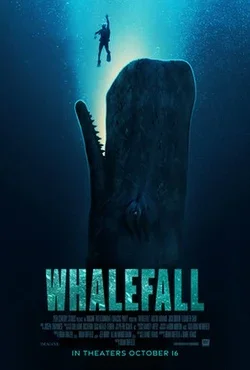
Whalefall works because it gets beneath your skin. The ocean’s vast, indifferent darkness becomes a physical expression of the protagonist’s emotional predicament, and the film’s extraordinary visuals make the experience feel tactile enough to tighten every muscle in your body.
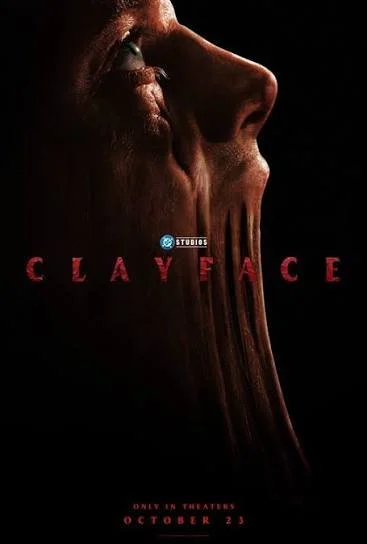
Clayface has a wonderfully nasty groove and feels like another fractured reflection of the same old Gotham tragedy: a person trying to survive trauma by becoming something else.
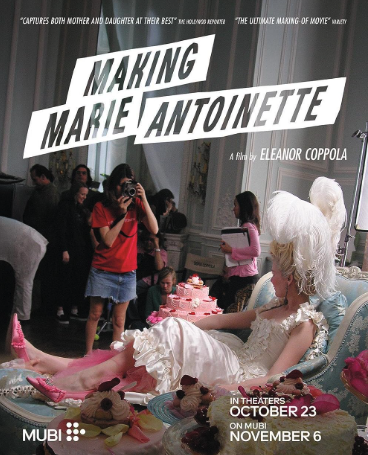
Eleanor leaves us with something more intimate than a behind-the-scenes record: a mother watching her daughter make a movie, and making another one alongside her.
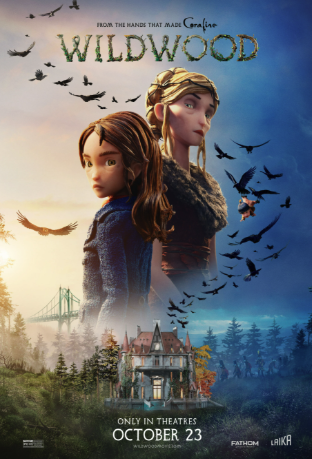
Three hundred coyotes in waistcoats march through a mountain range; somebody moved every one of those legs by hand, one frame at a time, and then did it again. I was lost in the story when that shot arrived and it threw me straight out of it, which is the problem and the glory of Wildwood in a single image.
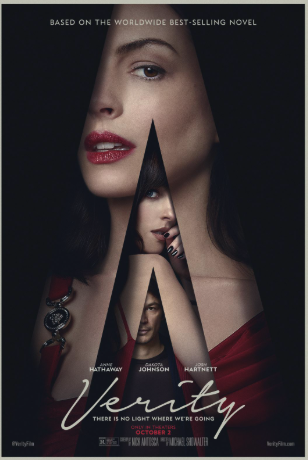
There’s a difference between a bad film and a bad time, and Verity is an excellent bad time.
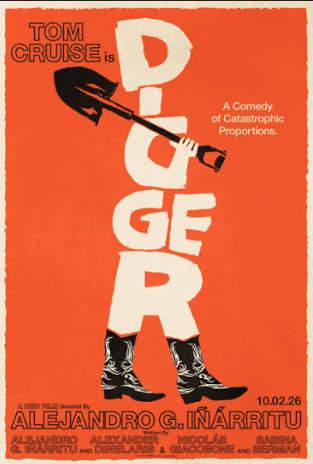
Alejandro González Iñárritu’s Digger is enormous, strange, technically dazzling and so determined to be itself that even its misfires have a certain electricity.
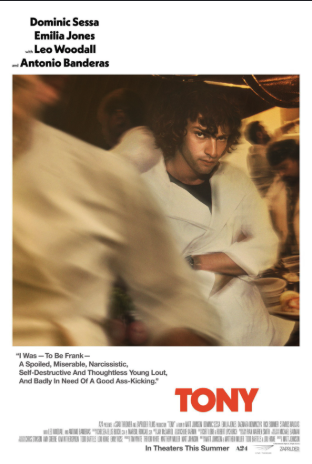
Matt Johnson’s Tony understands more than a conventional coming-of-age story, it is a film about a young man discovering, with increasing discomfort, just how little he knows.
The monsters are tactile, weird and genuinely disgusting, and Cregger lets them stay disgusting instead of cutting away. Hays and Ryan Holladay’s score does the synth-pulse thing that Carpenter invented, but the intelligence is in the placement.
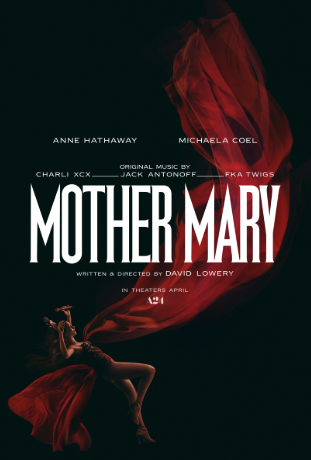
Lowery’s answer is to refuse the psychological register entirely. Whatever sits unfinished between these two gets expelled as an actual vengeful presence, a thing with intent that has to be dealt with in the room.
Director Padraic McKinley keeps the value front and centre. The most abstract thing in a crime film becomes something with mass that pulls down on a spine.
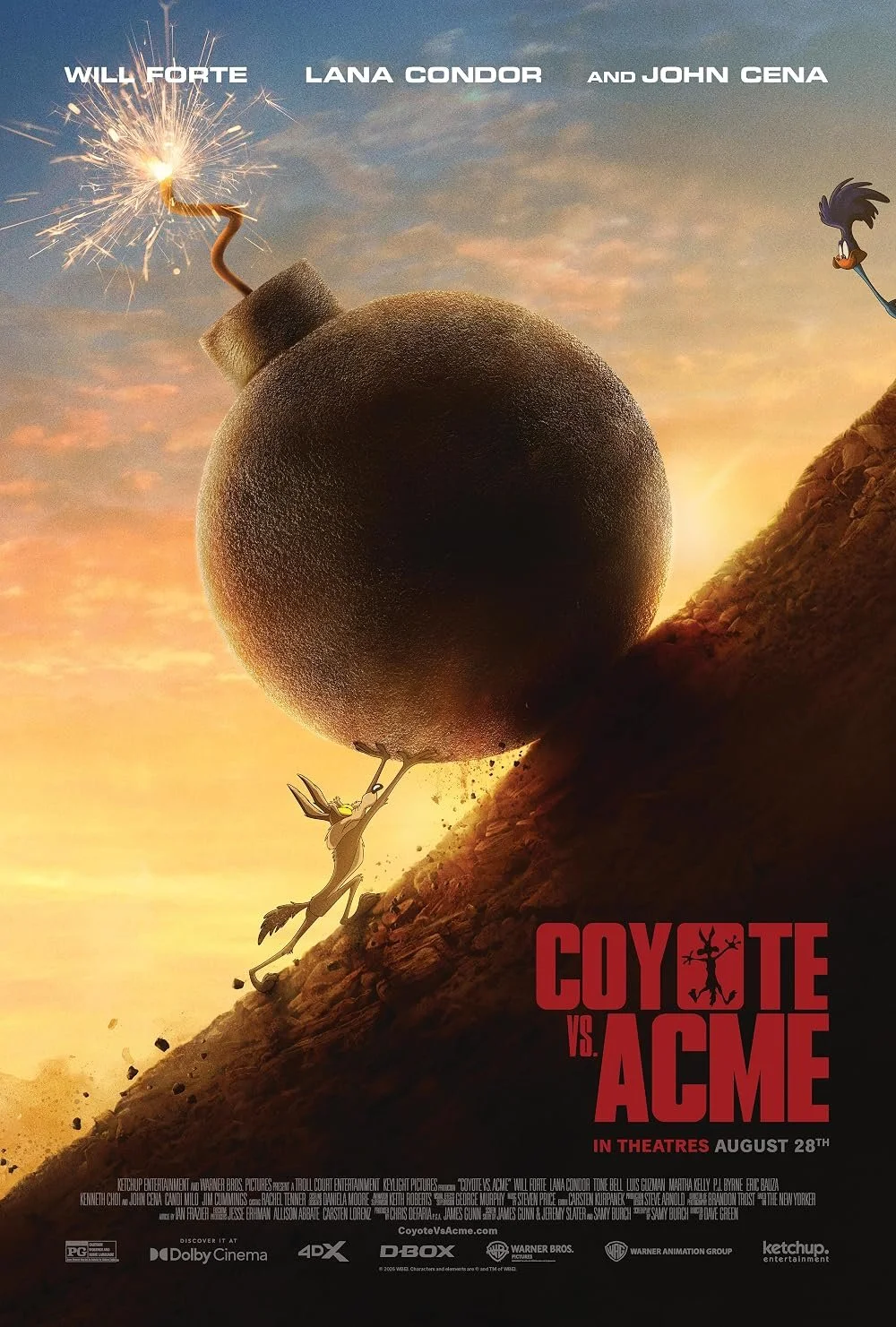
My grandmother taped Looney Tunes off the TV onto three or four VHS cassettes for the grandkids, and we played them until the tape gave out. Seeing them again, in a courtroom, litigating: the tape is still running.
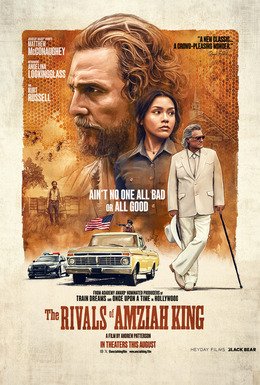
If a movie glimpses the magic of life, for fractions of seconds, it is worthwhile. “Amziah” is a dose I wasn’t ready for.
Nobody in this house locks anything. There's a pool, there are children, there's a killer renting across the road, and the gate swings free for 10 hours of television. The Bowdens are obsessed with their own security and incapable of practising any.
There are bigger movies, deeper movies and certainly more consequential movies. In the Grey doesn't seem particularly bothered. It arrives. It looks terrific. It moves.
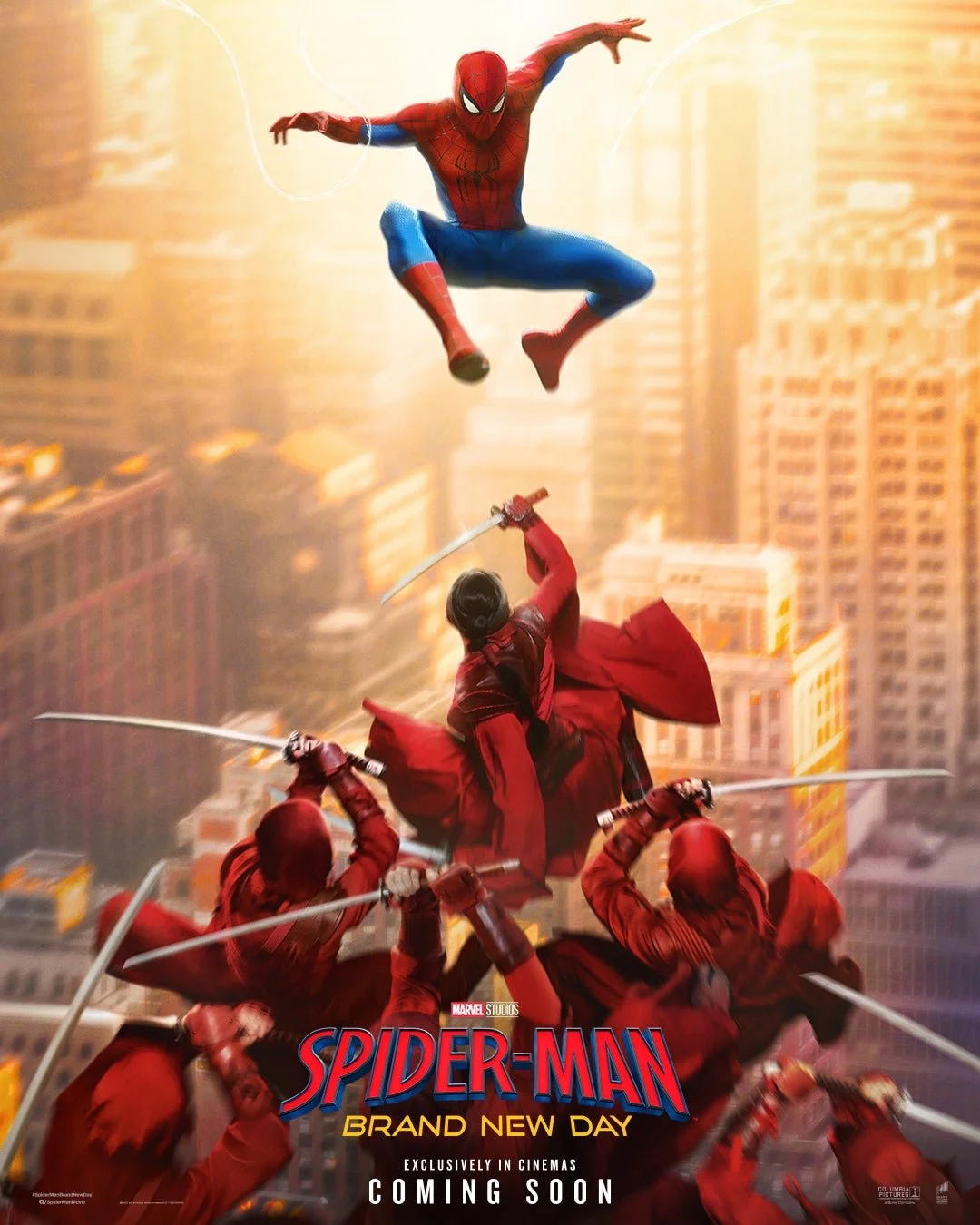
Brand New Day remembers that sometimes the greatest superhero stories are the smallest ones, a kid swinging across a city because someone needs help. The movies finally remembered who Spider-Man is.
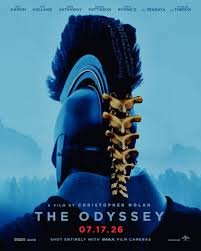
Christopher Nolan turns one of the oldest stories ever told into something tactile again. You don't just watch The Odyssey. You feel the weight of timber, salt and exhausted bodies.
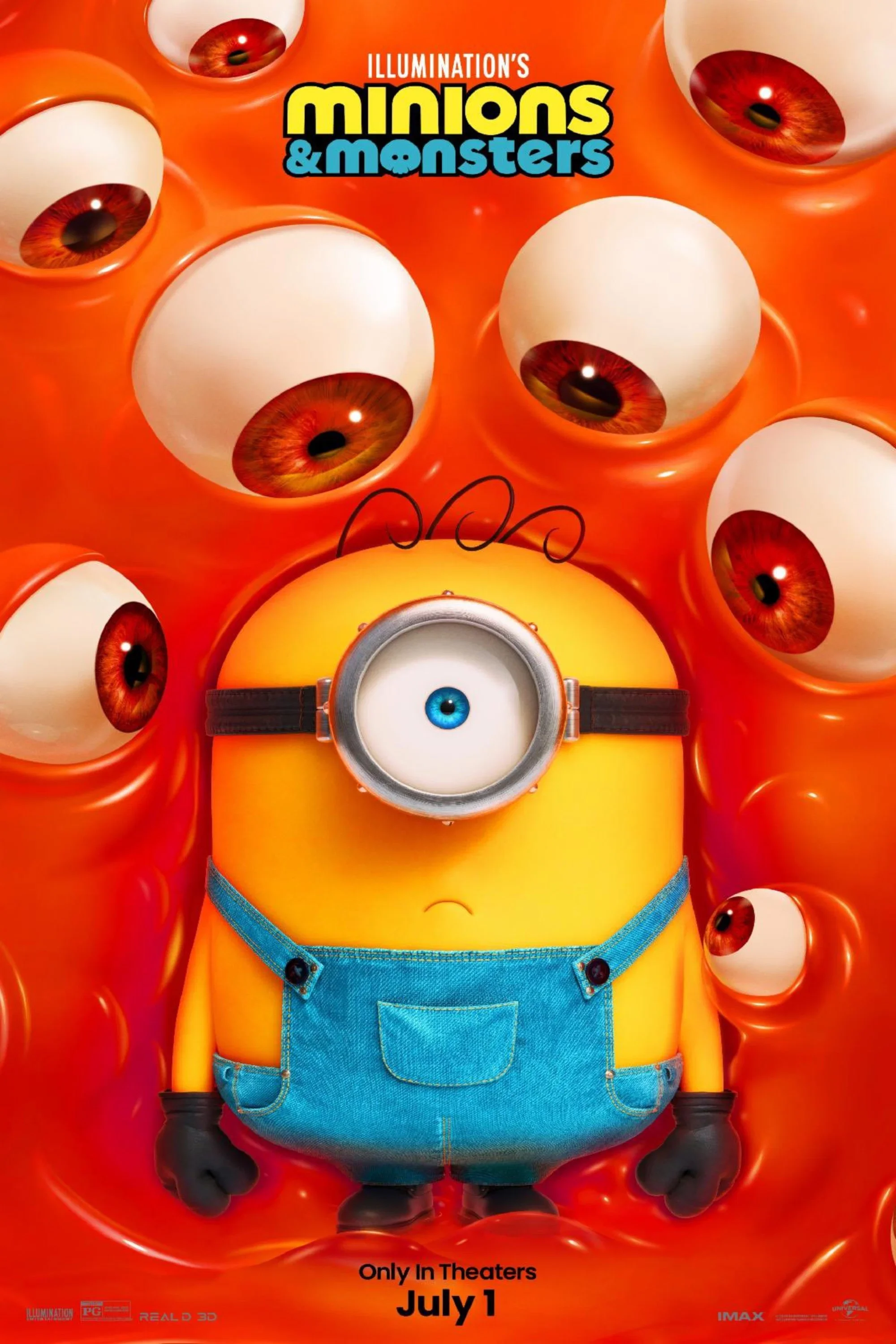
Someone has accidentally made Babylon for nine-year-olds.
Sometimes a film's greatest achievement isn't what happens on the screen. It's what happens in your living room the next morning.
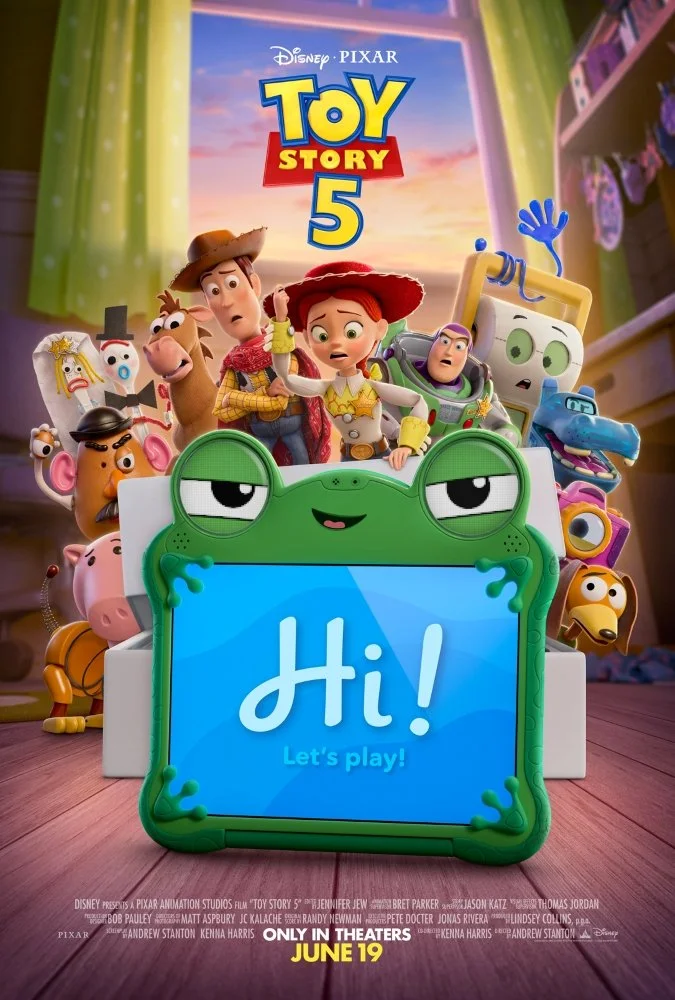
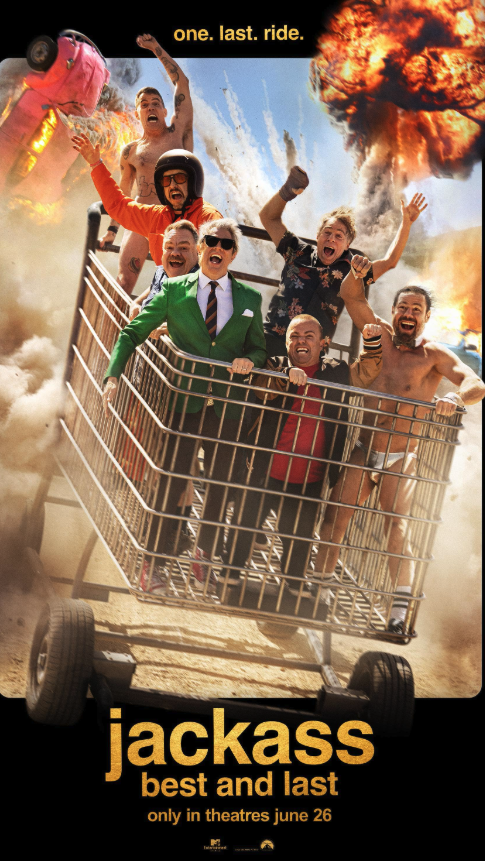
These idiots love each other. That's the stunt that's always been hardest to fake.
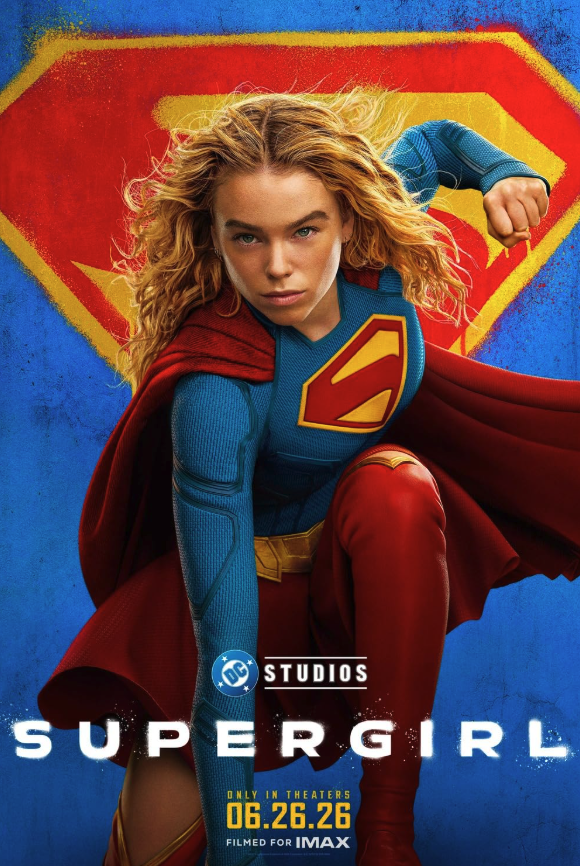
About forty percent of Supergirl absolutely rips. It imagines a space western with two compelling young women at its centre and briefly convinces you that's exactly where superhero cinema should be heading. Then it remembers it's a superhero blockbuster.
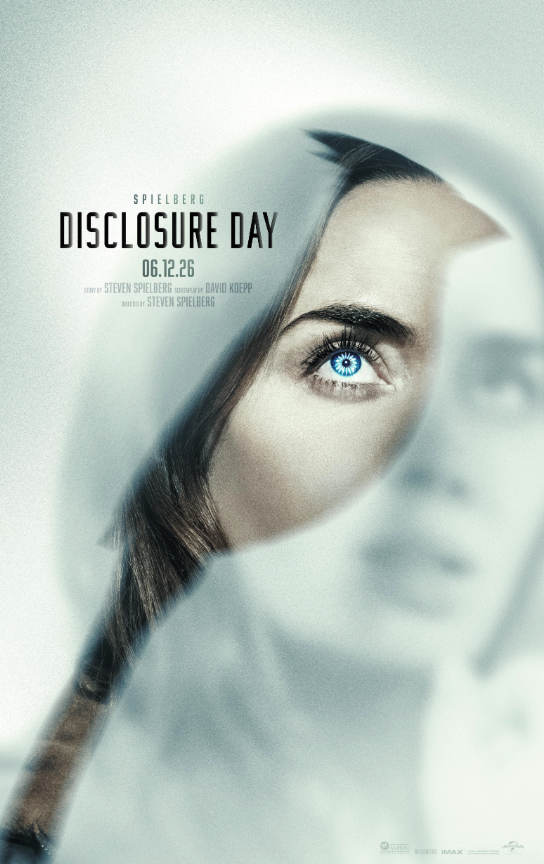
In Disclosure Day, the details arrive before the explanations, and that turns out to be part of the pleasure.
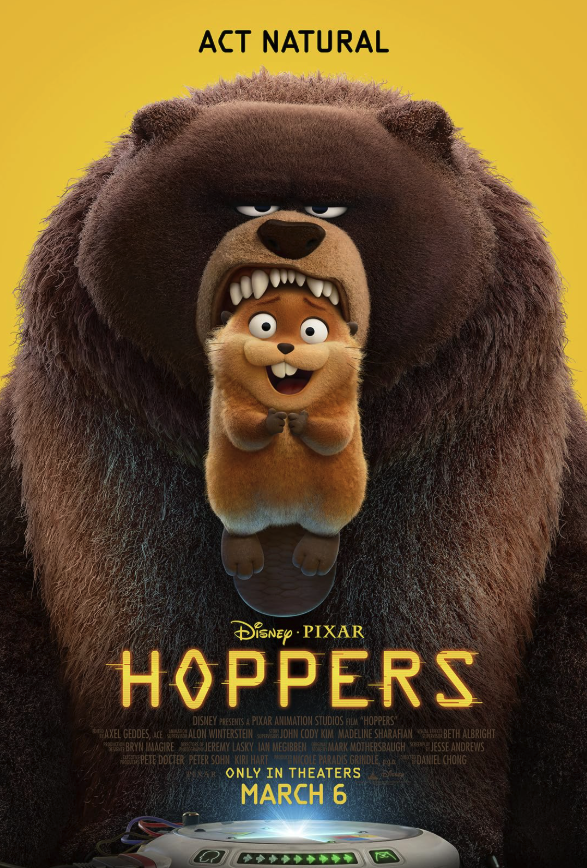
In an era where even very good Pixar films can feel overlooked, Hoppers deserves better. It's funny, warm, inventive and packed with heart.
A helmet, a child, and a galaxy that used to feel infinite now shrunk to the size of a corridor.
Josh Lawson’s Kano cuts through the confusion like a live wire. He mocks the film from within, turning every line into a pressure-release valve, and, in doing so, becomes the only consistent source of energy.
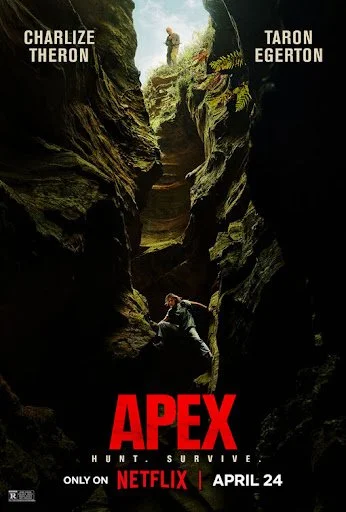
In its strongest passages, APEX becomes spatial. Crevasses, cliff faces, narrow passages — the geography tightens, and with it the tension.
So the film exists in two states. As a complete object, it is monumental, fluid, overwhelming in its design. As a memory, it remains something fractured, two meals served separately, each with its own aftertaste.
Raimi leans into the tactile. Bodies are constantly under assault. Fluids, impact, proximity. It is gleeful in a way that borders on deranged, but always controlled. The disgust is not incidental. It is the joke.
‘An American Werewolf in Paris’ has their name on it, but the finished product bears virtually no resemblance to the film writers Tom Stern and Tim Burns set out to make. Anotherfilmnerd talks to them about how a script everyone loved became a film everyone hated.